
Who uses this: Admins have full reporting access, and Team Managers can be given it. Service Agents and Limited Agents do not have reporting access. Availability: All regions.An invoice item report is built from the Invoices > Invoice Items tab in raw data reporting, and it pulls the line items on your invoices — item name, description, SKU, type, unit cost, unit price, quantity, UPC, and tags — into one table.
Overview
An invoice item report works at the line-item level rather than the whole-invoice level, so it shows the individual items and services that appear across your invoices and what each one costs and sells for. Use the invoice item report to review pricing, filter to a single item type, and group line items by type or tag. Building an invoice item report follows the same path as every other raw data report — set a date range, choose the columns, set filters, then read the table. Invoice item reporting is part of FieldPulse’s dashboards and reporting. For the parts of the reporting flow that are the same on every record type — saving a report, adding it to your dashboard, and exporting to CSV — see How to Use Raw Data Reporting.Video walkthrough
Video walkthrough: Creating a report in raw data reporting
Before you begin
- Create the invoices whose line items you want to report on. See How to Create an Invoice.
- Check that your role has reporting access. An Admin has full reporting access; a Team Manager needs Full Reporting access turned on.
Set the date range
- Select Reporting under the Management tab in the left-side menu.
- Select the Invoices tab, then the Invoice Items tab.
- Select Raw Data.
- Select the calendar icon and choose the start date range you want to report on.
- Select Load Data.
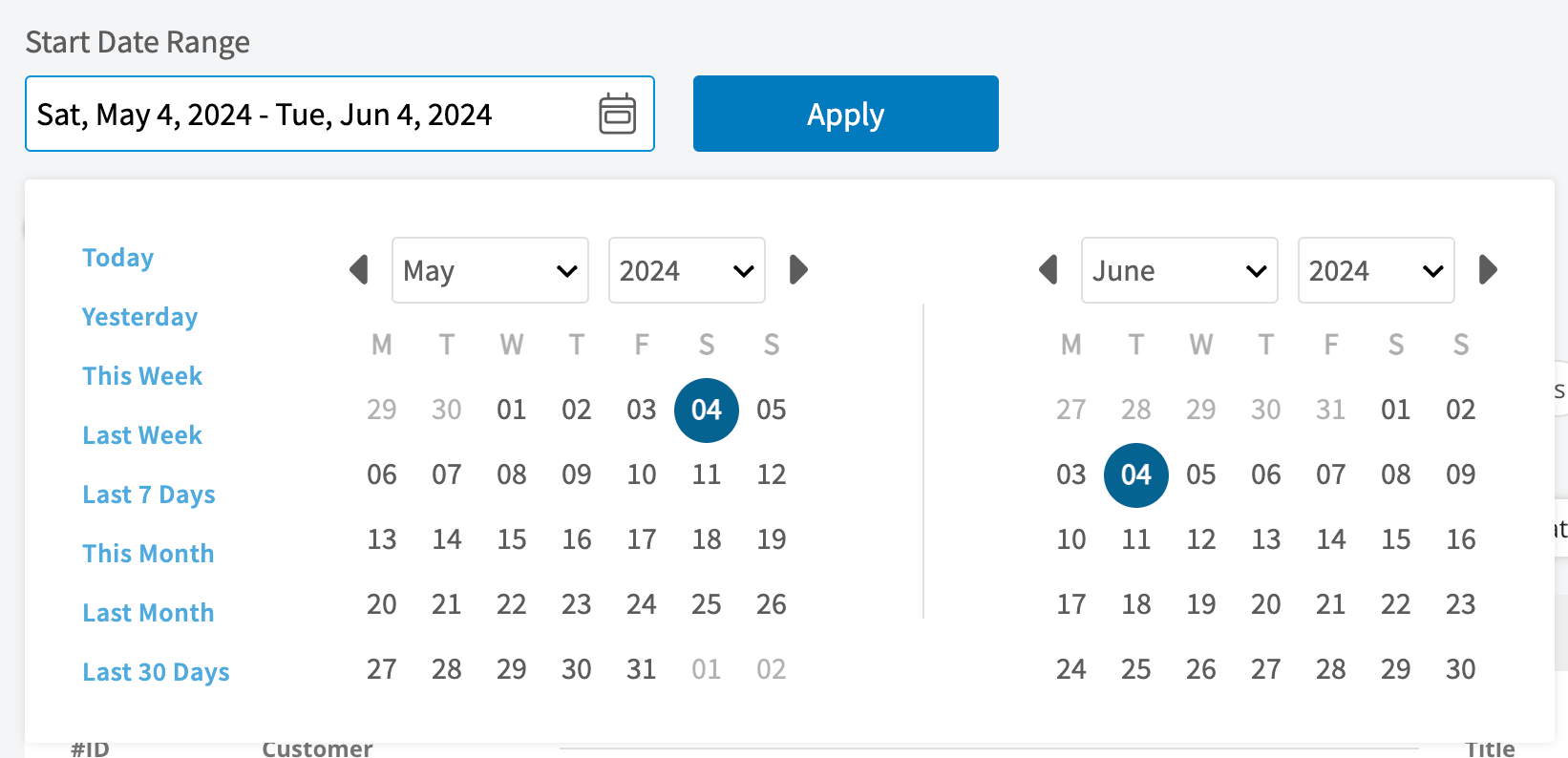
The invoice item report runs on this one date range. There is no date-type selector to choose first, the way the invoice report and estimate report have.
Choose your columns
Select Columns to choose which invoice item fields appear in the report table and the order they appear in.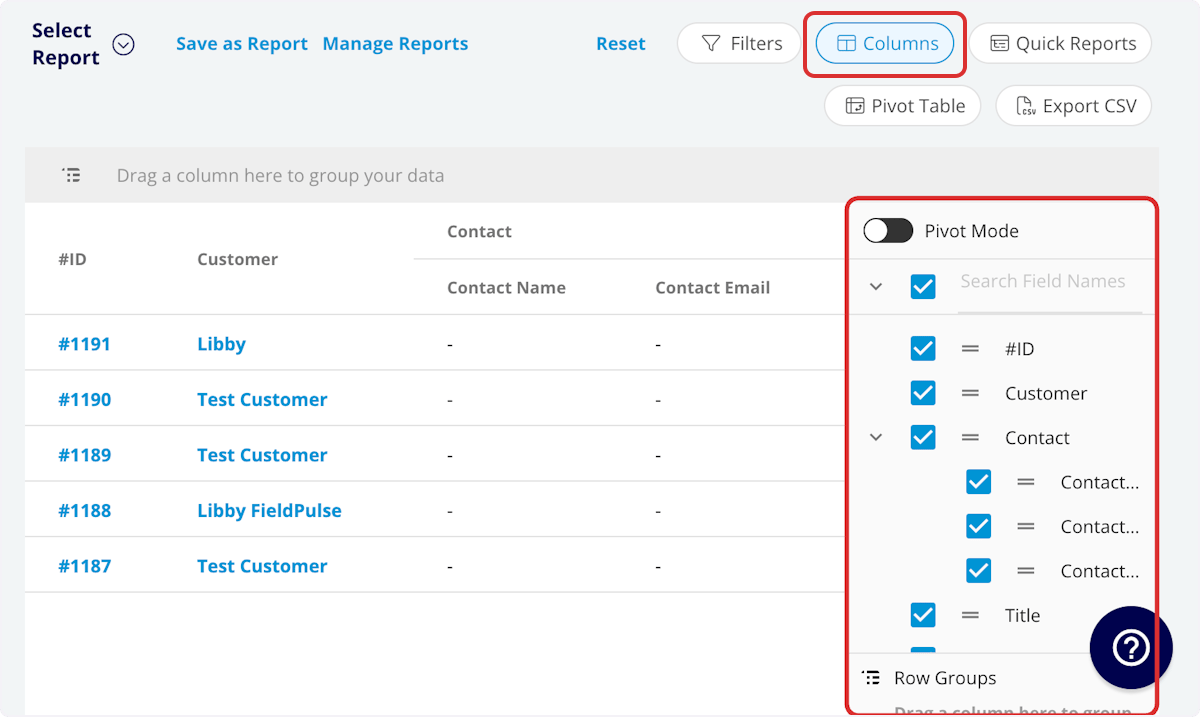
Set your filters
Before running the report, set filters to narrow the results. Select the Filters icon, then choose how you want to filter the report.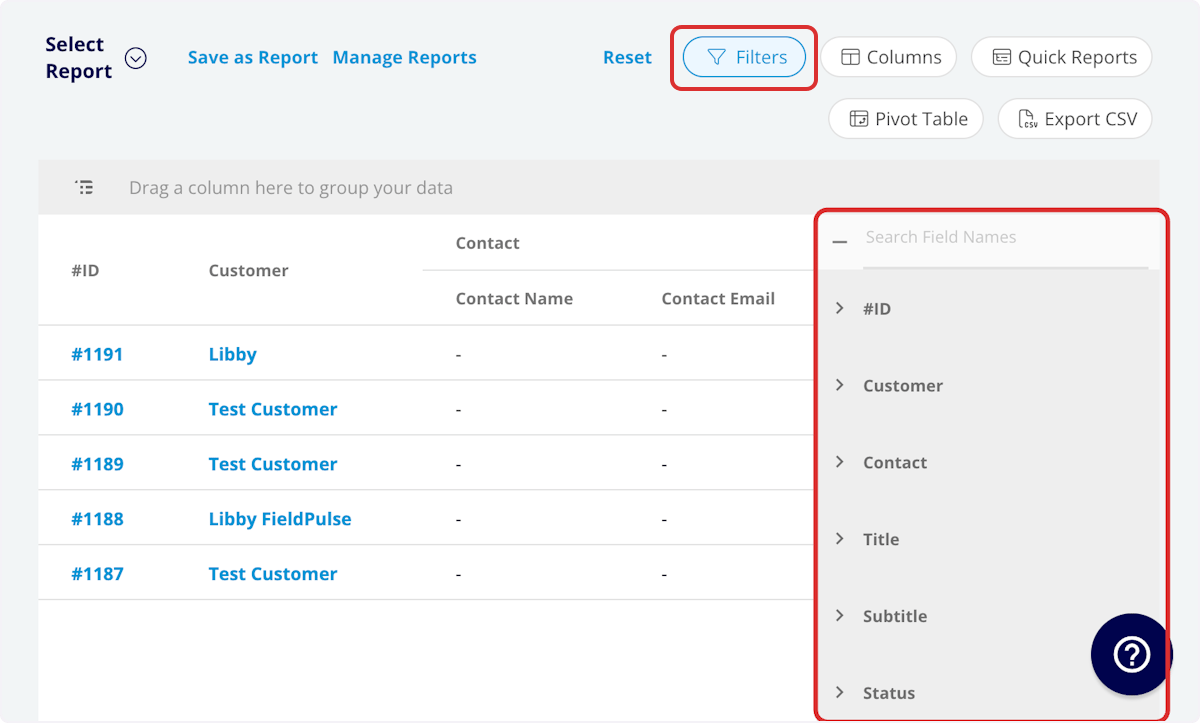
Filter operators
When you filter by contents, choose an operator and then enter the values to filter the data on.Tips
- To review pricing, keep Item Name, Type, Unit Cost, and Unit Price in the table, then filter on Type to look at services and products separately.
- If you tag line items, filter on Tags to pull every invoice line carrying a given tag.
FAQs
Can I save an invoice item report to use again?
Yes. Select Save as Report, then Save as New to store it under Select Report, or Save as Widget to add it to your Pulse Dashboard. See How to Use Raw Data Reporting for the full saving flow.Can I export an invoice item report to a spreadsheet?
Yes. Select Export CSV to download the report currently on your screen as a CSV file to your device.How is the invoice item report different from the item usage report?
The invoice item report covers the line items themselves — item name, type, SKU, unit cost, unit price, and tags. The item usage report, built from the Invoices > Item Usage tab, covers item usage data including item quantity, total cost, and total price. See How to Create Item Usage Reports.Related articles
- How to Use Raw Data Reporting
- How to Create Invoice Reports
- How to Create Item Usage Reports
- How to Create an Invoice